How to Prevent Cracks in Gypsum Ceilings: Fiber Tape, Skimming & Fastening Guide
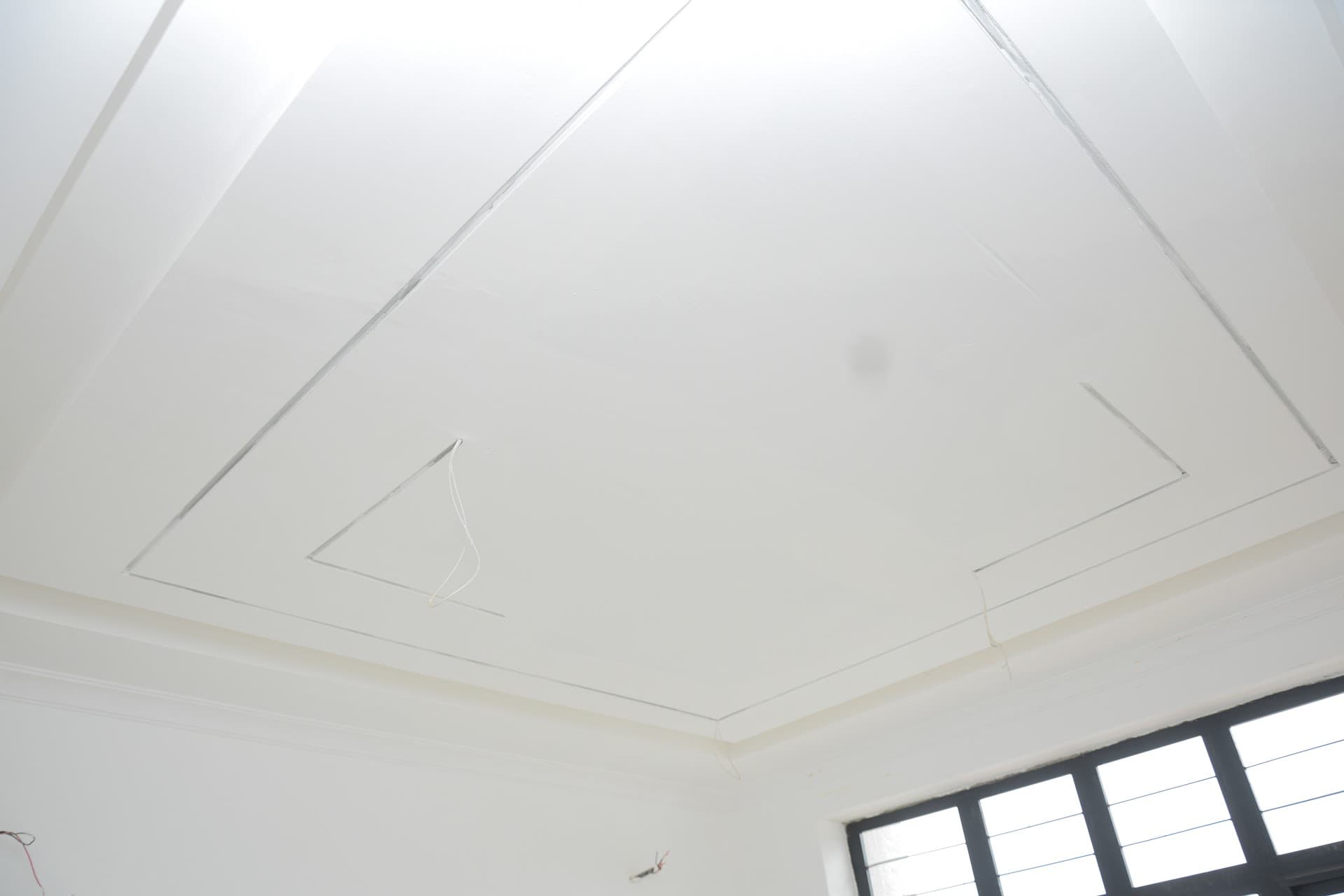
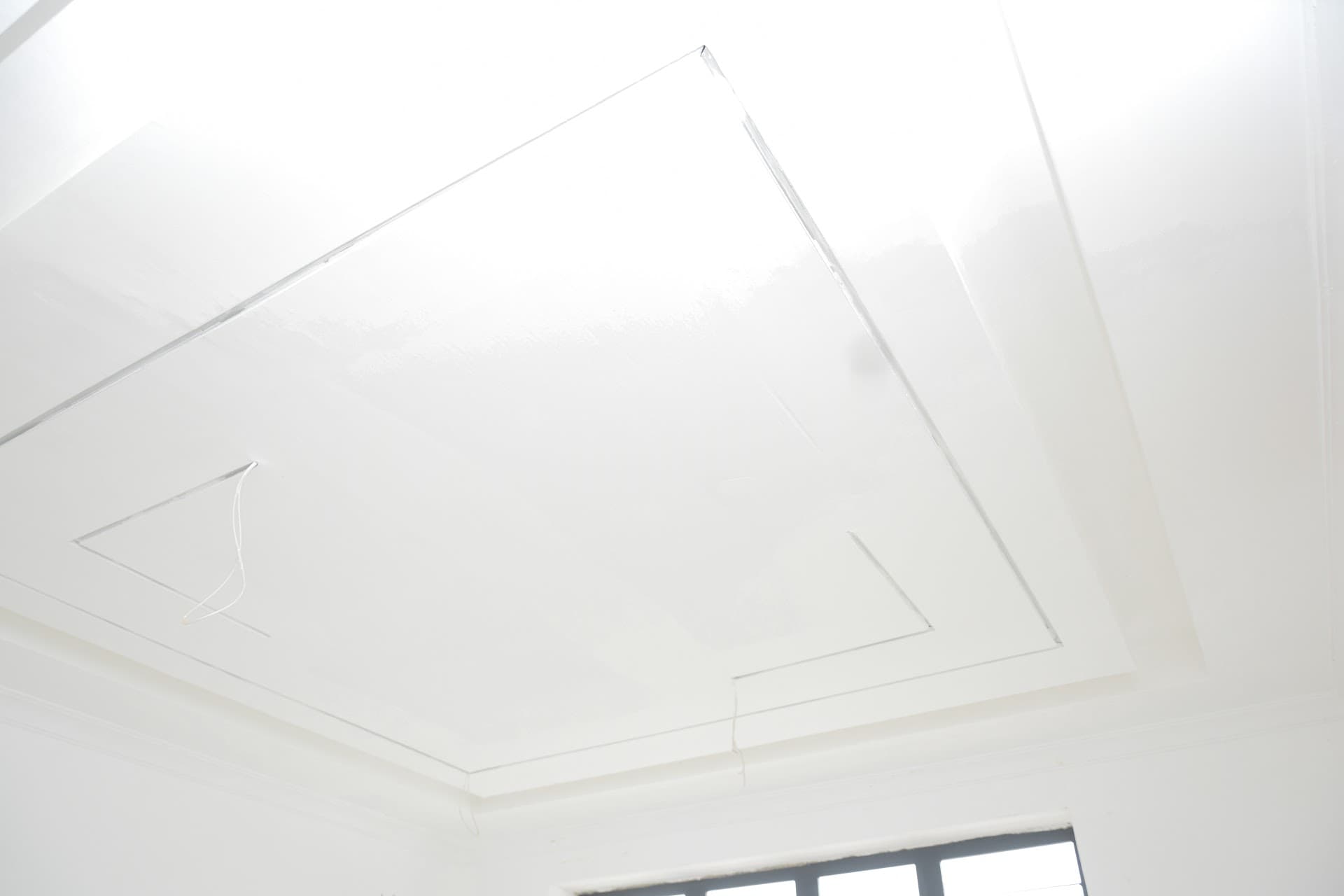
Direct Answer / Key Takeaway: Ceiling cracks in Kenyan homes are almost never a defect of the gypsum board; they are caused by framing deflection, improper screw spacing, using cheap paper tape instead of cross-woven fiberglass mesh, or skipping flexible joint fillers. To guarantee zero cracks: (1) Frame steel channels at rigid 400mm centers with 0.5mm steel; (2) Stagger board joints like brickwork; (3) Fasten drywall screws at 150mm perimeter / 200mm field intervals; (4) Embed self-adhesive fiber scrim tape with genuine Knauf/Gyproc joint filler; and (5) Install perimeter expansion shadow gaps on spans exceeding 9 metres.
The Physics of Gypsum Ceiling Joint Shear Stress
Roof trusses in Kenya expand and contract with diurnal temperature cycles and wind shear loads. When the ceiling suspension system is tied rigidly to moving timber trusses without perimeter relief joints, lateral shear stress concentrates directly along the weakest points: the board butt joints. If the joints are taped with brittle plaster of Paris instead of polymer-fortified jointing compound, hairline fractures appear within months.
1. The 5 Rules for Crack-Free Gypsum Ceilings
- Staggered "Brick-Bond" Board Layout: Never align four corners of gypsum boards together in a cross (+). Boards must be laid in a staggered brick pattern with joints offset by at least 600mm to distribute stress across the steel framing grid.
- Correct Screw Depth: Drywall screws must sit just beneath the board paper face without tearing through the paper core. Tearing the paper destroys 80% of the screw's holding power, allowing the board to vibrate and crack.
- 3-Coat Jointing Protocol: Apply bed coat with joint compound, embed fiber tape, apply second feathering coat 200mm wide, and finish with a 300mm ultra-smooth skim coat feathered to zero.
- Use Cross-Woven Fiberglass Scrim: Self-adhesive fiberglass tape withstands tensile shifting far better than unperforated budget paper tape that bubbles when moist.
- Perimeter Shadow Gaps on Spans > 9m: Allow building movement by incorporating a 15mm perimeter shadow gap or flexible elastomeric acrylic sealant rather than rigid plastering to masonry walls.
Frequently Asked Questions on Gypsum Cracks
How do you permanently repair an existing cracked gypsum ceiling?
Do not just skim over the crack. V-notch the crack with a utility knife to 3mm width, drive new drywall screws 25mm away from the crack into the steel stud, embed self-adhesive fiber tape, apply two coats of elastomeric flexible joint filler, sand smooth, and re-prime before repainting.
Why do cracks appear along the wall edges of my ceiling?
Perimeter edge cracking is caused by differential movement between the masonry wall and the roof structure. Installing an architectural shadow gap or flexible acrylic painter's caulk at the wall junction prevents this stress from cracking the plaster.
Need This Exact Quality For Your Space?
Avoid costly contractor mistakes and cheap materials that fail within months. Speak directly with our lead supervisor for honest pricing in KSh and book a free on-site survey anywhere in Nairobi or Kiambu.

Related Master Guides